
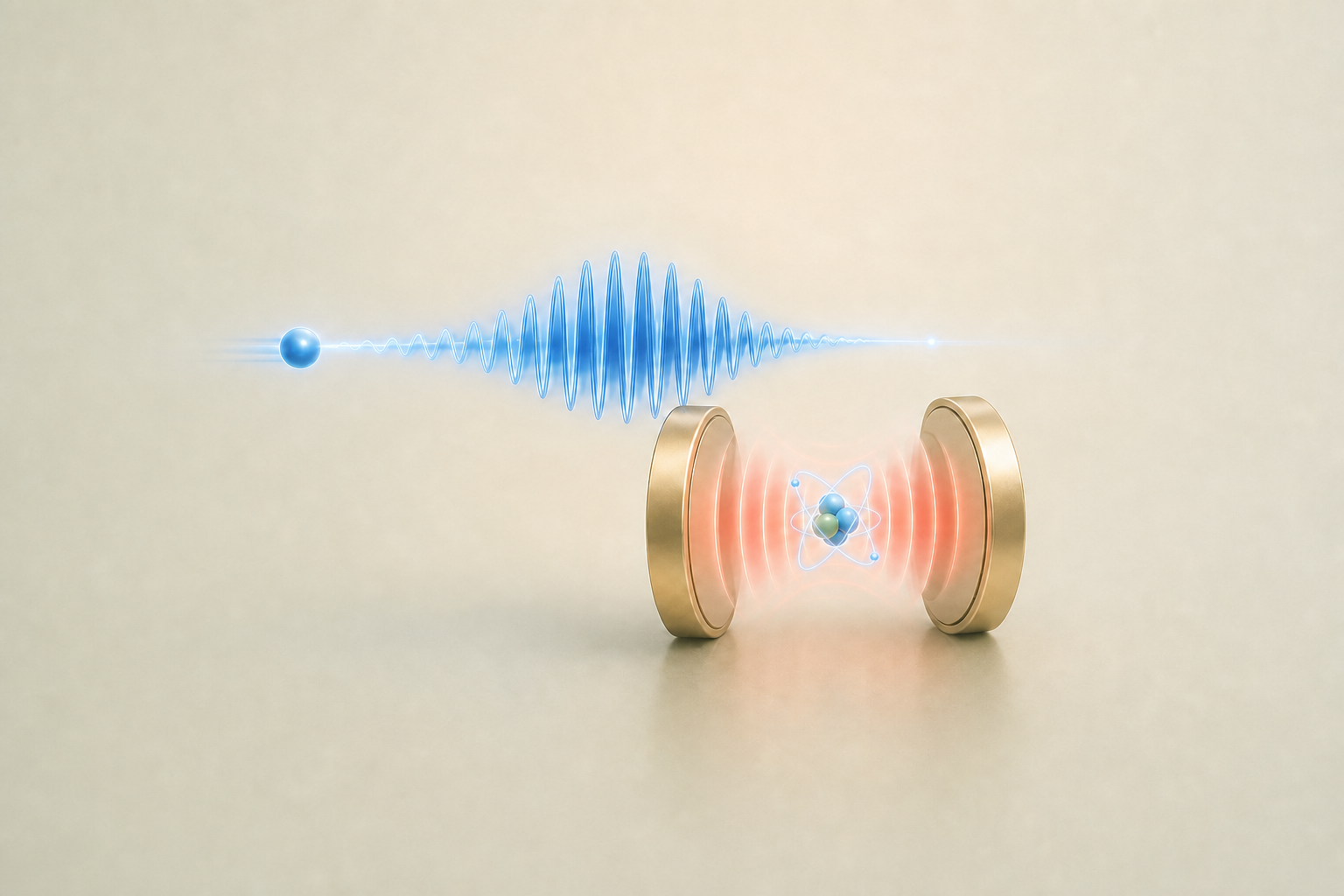
Free-electron quantum optics
Using free electrons as quantum probes and mediators of light–matter interactions, from cavity QED to quantum sensing and photon–electron entanglement.
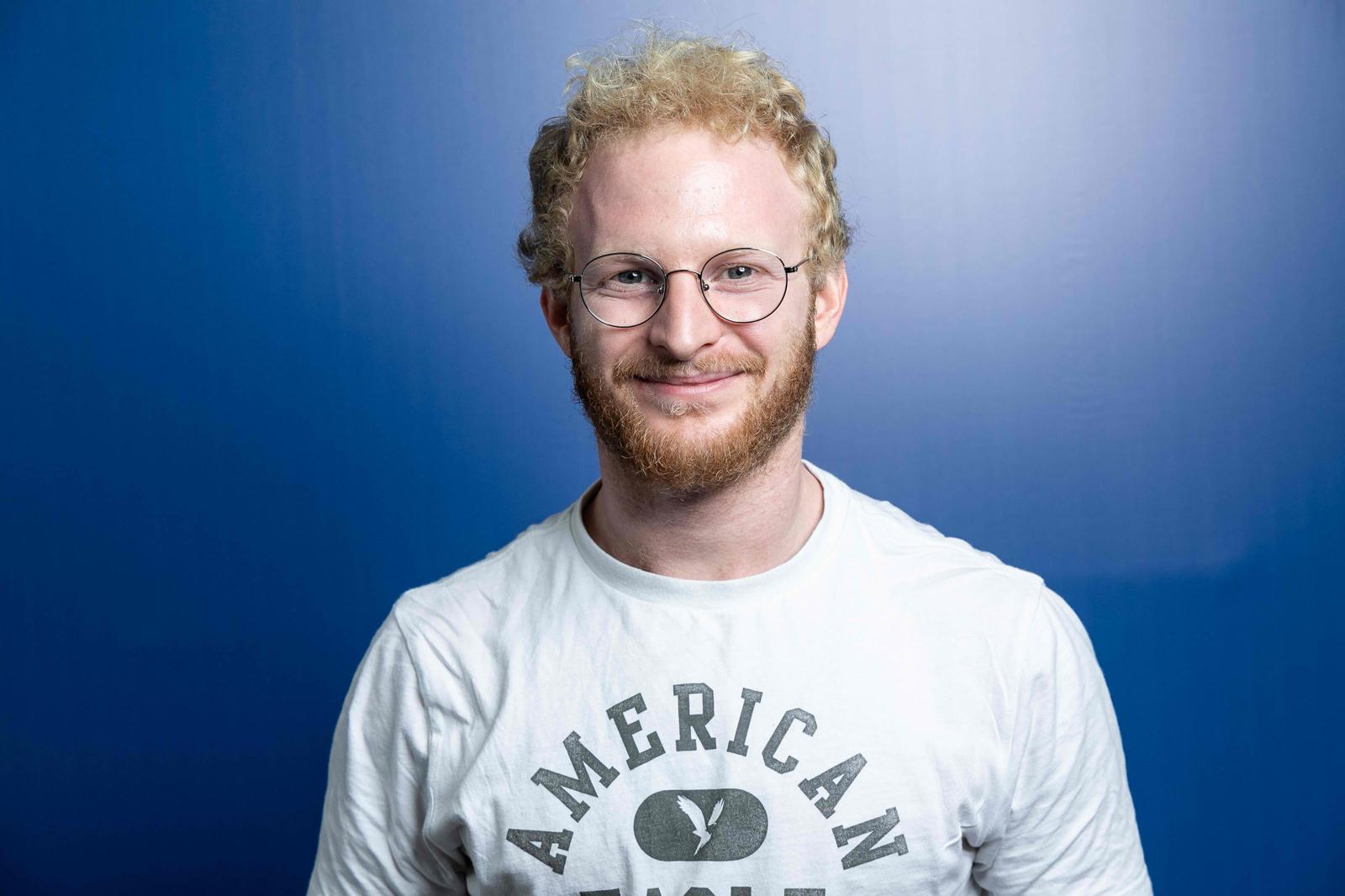
I am Aviv Karnieli, an Assistant Professor in the Andrew and Erna Viterbi Faculty of Electrical and Computer Engineering at the Technion. I study theoretical quantum optics, investigating how photons interact with matter and how these interactions can unveil new fundamental effects and enable novel quantum technologies.
Explore↓
About
I am an Assistant Professor in the Andrew and Erna Viterbi Faculty of Electrical and Computer Engineering at the Technion – Israel Institute of Technology. My group develops theory at the intersection of quantum optics, nanophotonics, and nonlinear optics, with an emphasis on free-electron quantum optics, engineered light–matter interactions, many-body quantum systems, and quantum photonic technologies.
My academic training combines electrical engineering and physics. I earned two BSc degrees from Tel Aviv University: Electrical Engineering and Physics, graduating summa cum laude in both. I then completed an MSc in Physics under Prof. Ady Arie and entered the direct PhD track in Physics, jointly supervised by Prof. Arie and Prof. Ido Kaminer. My doctoral work explored quantum effects of electrons and photons, classical and quantum nonlinear optics, and optical analogies to quantum phenomena. For my doctoral work, I was awarded the Adams Fellowship and the Israel Physical Society prize for the best PhD thesis in Physics.
From 2023 to 2025, I was a postdoctoral researcher in Applied Physics at Stanford University with Prof. Shanhui Fan, where I expanded this work toward cavity quantum electrodynamics, many-body quantum optics, and programmable photonic systems.
Using free electrons as quantum probes and mediators of light–matter interactions, from cavity QED to quantum sensing and photon–electron entanglement.
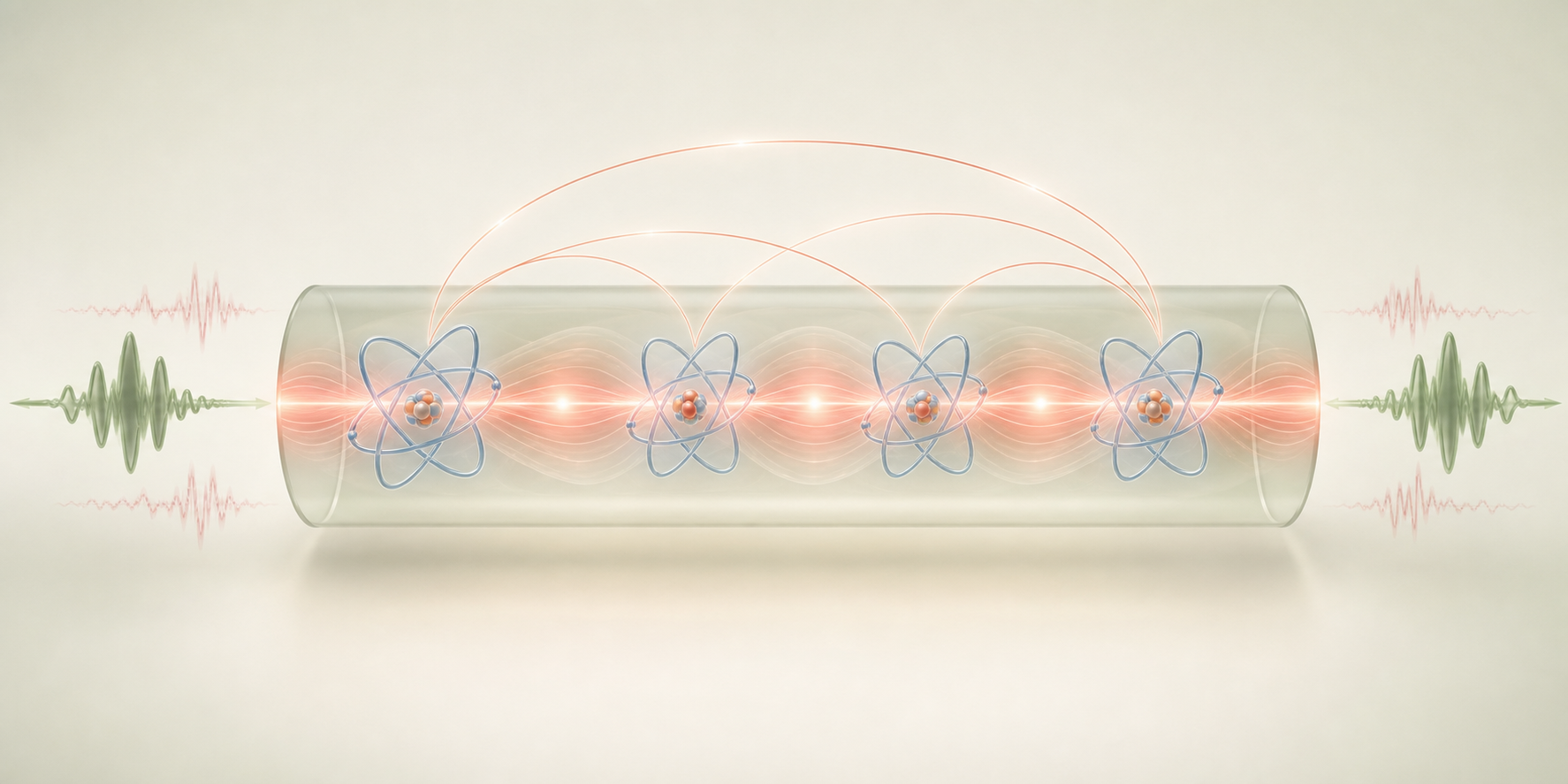
Engineering collective quantum dynamics in waveguides and cavities, where atoms interact through shared photonic modes, establishing long-range correlations.
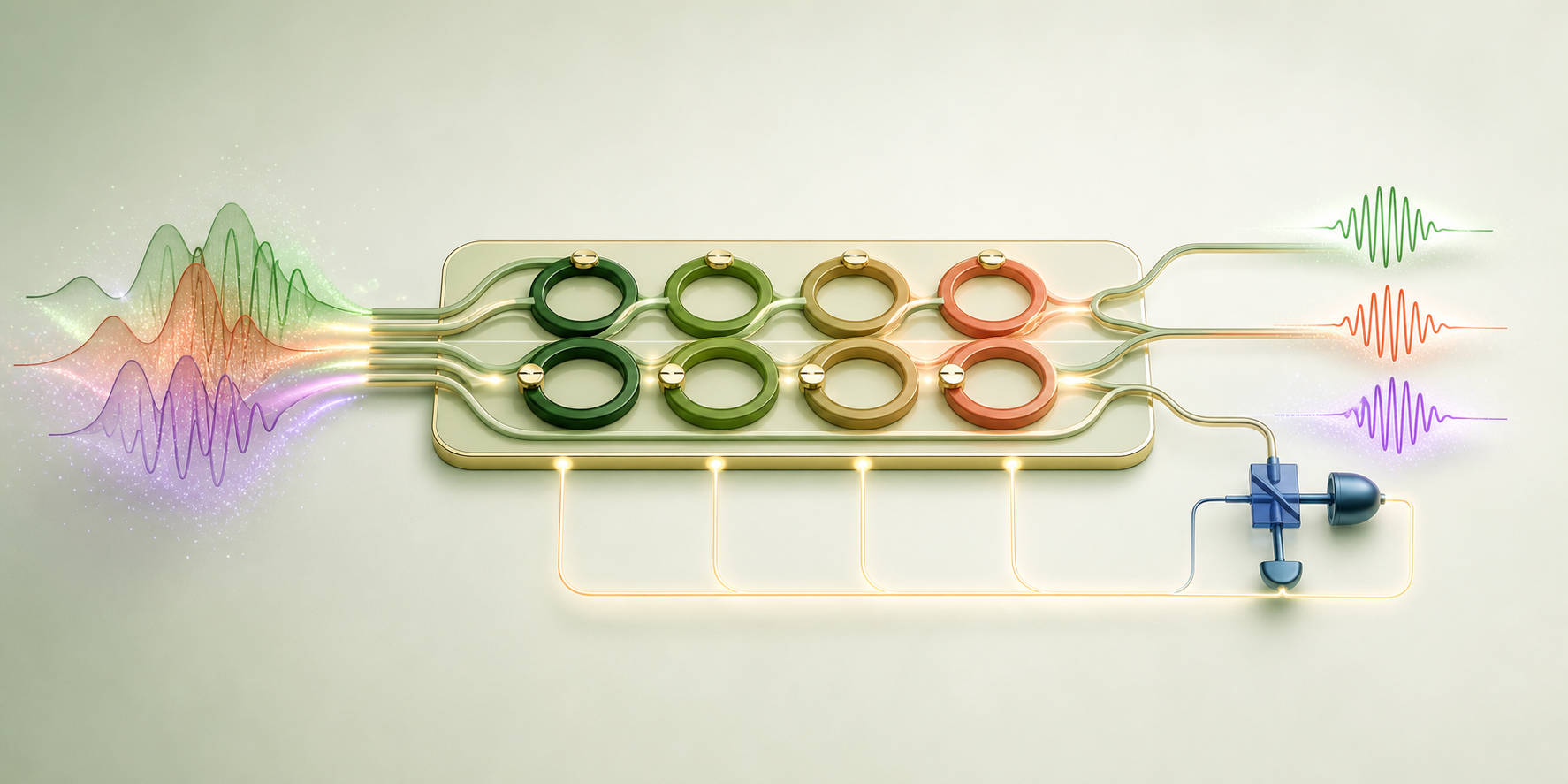
Developing self-configuring photonic networks that learn and extract squeezed supermodes, enabling scalable and resource-efficient processing of high-dimensional quantum light.
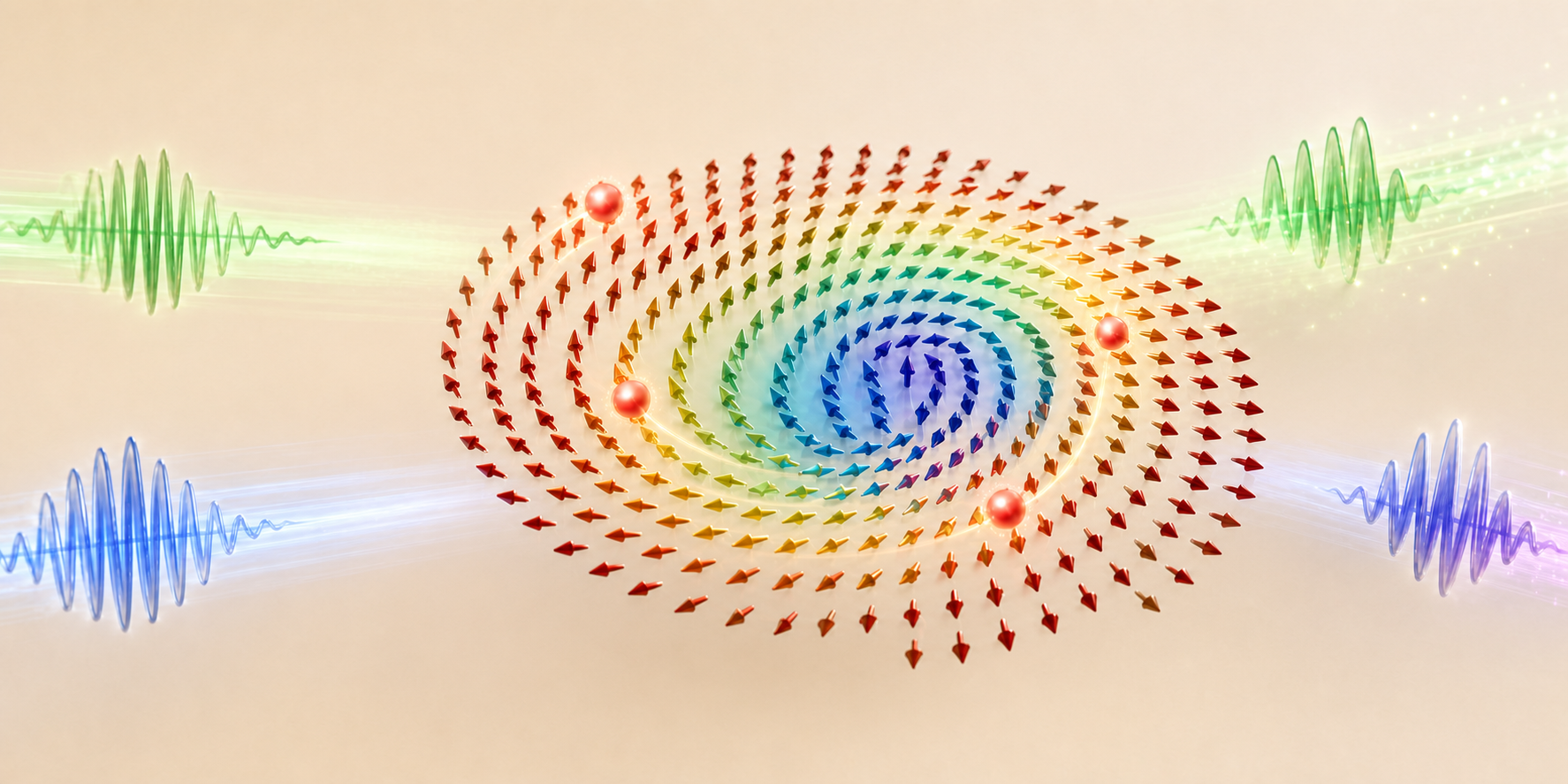
Using nonlinear optical interactions to emulate quantum dynamics, from synthetic magnetization textures and spin transport to topological Hall effects for light.
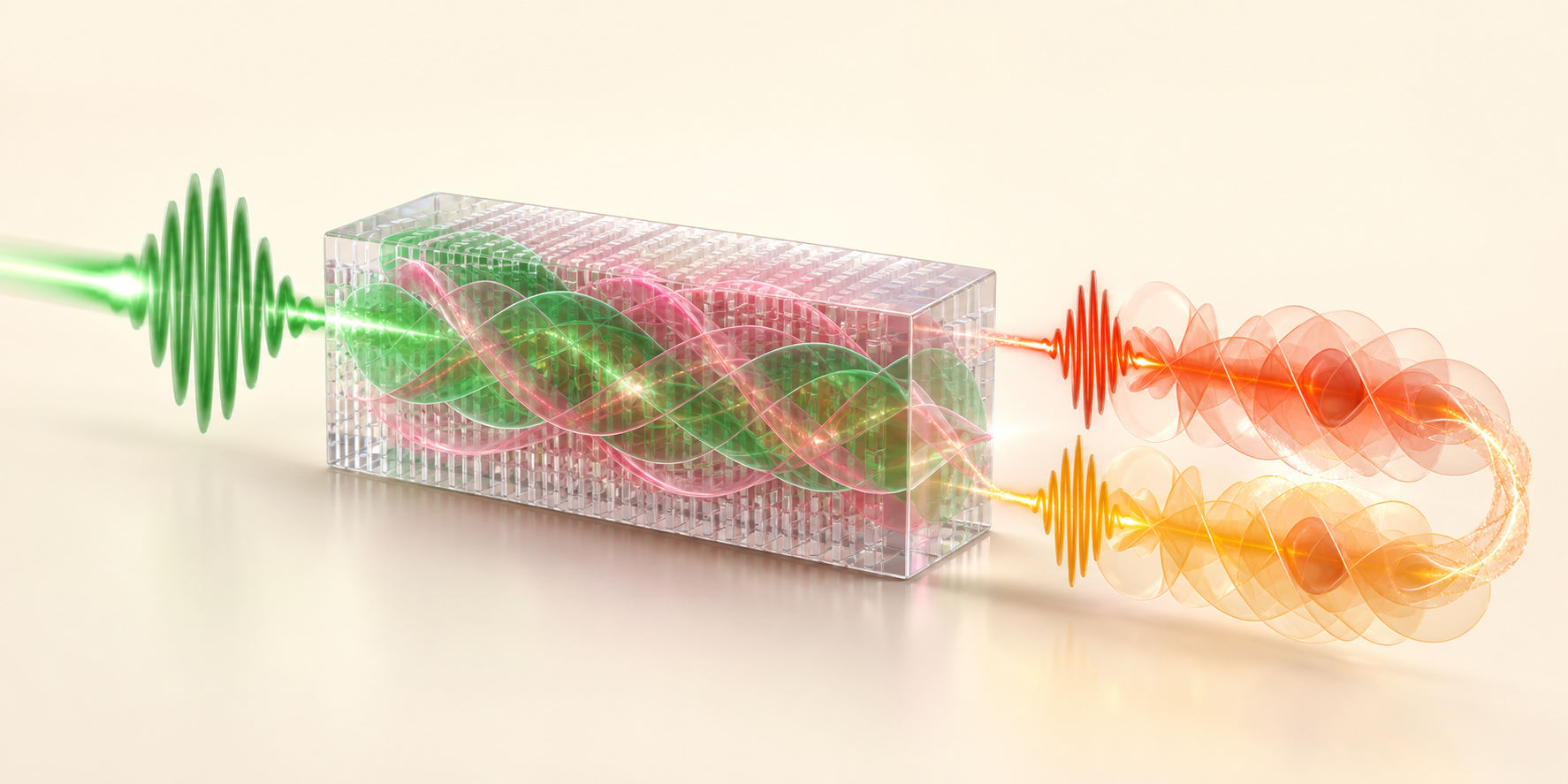
Designing nonlinear photonic structures to shape entangled photon pairs and engineer high-dimensional quantum states with tailored spatial and spectral correlations.